Note: This is Part 1 of a 5-part series on expat and digital nomad mental health. A new post drops each week. Next up: Expat Identity Crisis.
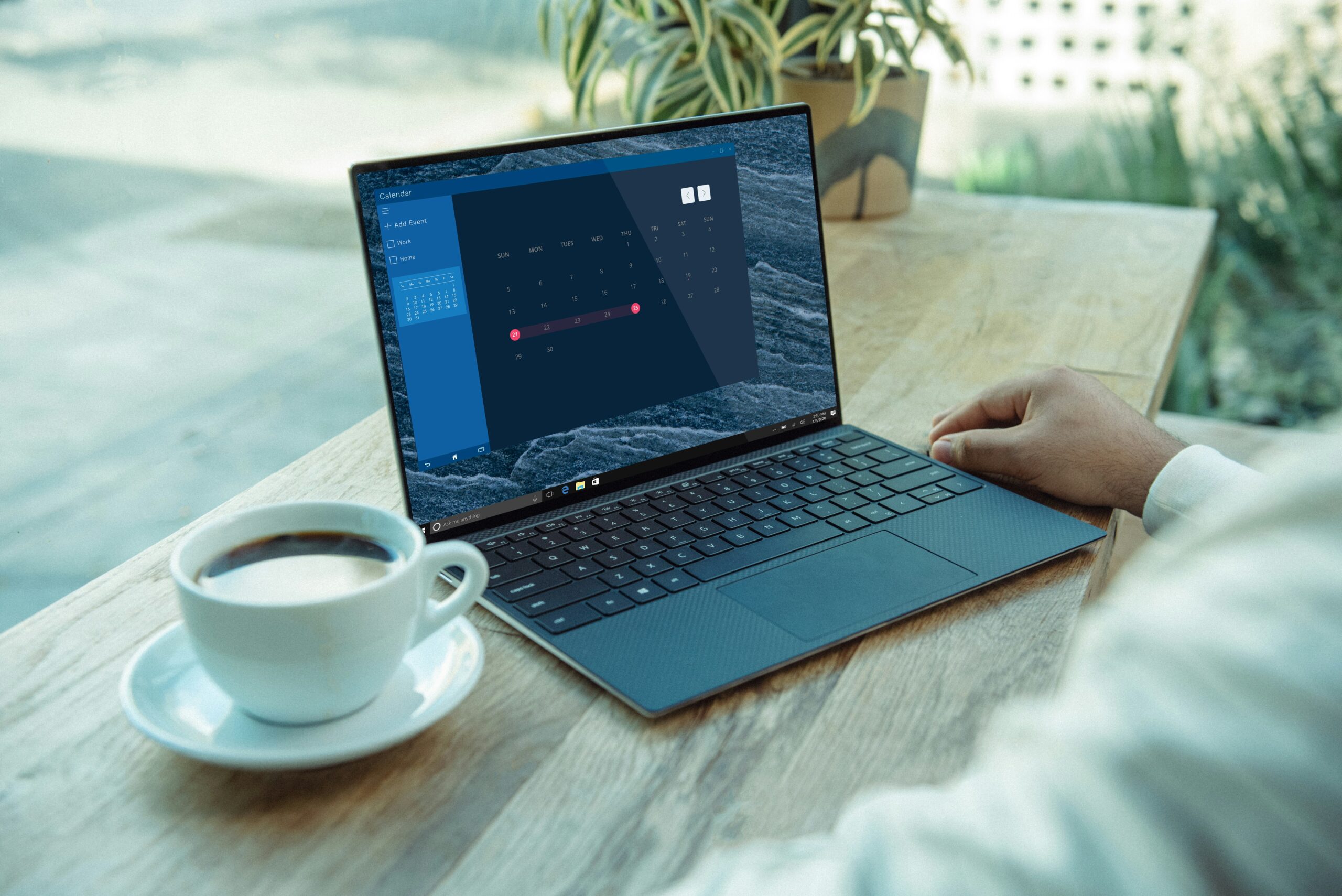
The image is certainly a compelling one: laptop open at a beachfront cafe in Mexico, sun on your face, completely free from the 9-to-5. This – the expat, digital nomad life – is the dream. And for a growing number of people, it’s reality. Roughly 40 million professionals now work this way.
But nobody puts this in the Instagram caption: up to 69% of remote workers report symptoms of burnout. Some studies put that number as high as 86%. That’s… Well, most of us.
If you’re a digital nomad, freelancer, or remote entrepreneur who’s started to feel the price tags of the freedom you worked so hard for, this is for you. Because digital nomad burnout runs deeper than overwork. The psychology underneath it makes it hard to escape.
The Infinite Workday
“Work-life integration” is supposed to be the goal. A seamless blend of personal and professional life that offers flexibility and autonomy.
For a lot of people, though, what happens is work-life invasion.
Without the physical boundaries of a traditional workplace, work expands. It fills every available moment and every corner of mental space. More than 37% of remote workers report logging longer hours than they did in an office.
40% say they can’t unplug after work hours.
The laptop sitting on your dining table is a constant reminder of unfinished tasks. A notification on your personal phone from a work app pulls your brain right back in. There is no commute to signal the transition from office to home.
Those rituals – the commute, leaving the building, changing clothes – aren’t just logistical. They’re psychological. They tell your brain: you’re done for the day.
Without them, your brain stays in a state of constant work-readiness. This is one of the most overlooked drivers of remote work burnout, and 41% of remote workers say they miss the clear separation between work and personal life that an office gave them.

The Pressure to Prove You’re Working
If you freelance or run your own thing, there’s an added layer. Nobody can see you working, so you feel the pressure to prove you’re working. You find yourself answering emails at 10pm, staying visible on Slack, and taking calls you don’t need to take.
This is performative work. A digital trail of activity that exists to reassure clients or employers (or yourself) that you’re earning your keep. It’s exhausting in a way that deep work isn’t, because you know it’s hollow.
Freelancers also carry stressors that salaried workers don’t: unpredictable income, unreasonable client deadlines, and no team to absorb the pressure when things go sideways. You’re the only one responsible for the outcome. Switching off becomes close to impossible.
Entrepreneur Burnout: The Reward Cycle
If you’re building a business, there’s another mechanism at play.
Building can be addictive. The thrill of a new idea and the dopamine hit of a first sale create a powerful reward cycle. You end up chasing the next win without enjoying where you are.
Even after a successful launch, your mind doesn’t rest. This constant mental churn prevents your nervous system from entering a state of genuine rest. You find yourself experiencing chronic stress, sleep disturbances, and a shrinking capacity for joy in the parts of life outside work.
The business becomes your primary source of stimulation, validation, and meaning. Everything else – your relationships, your health, your inner life – become the leftovers.
I know this pattern from the inside. I moved to Istanbul and built my therapy practice from scratch: new country and new systems with no existing client base. The pull to “always be on” was relentless. Every quiet evening felt like time I should be spending on the business. It took real effort to recognize that the compulsion to build wasn’t the same thing as productivity, and that my inability to stop was itself the problem.
The Burnout Pattern
The World Health Organization defines burnout as three things:
- Energy depletion or exhaustion
- Increased mental distance from your work, cynicism, just not caring anymore
- Reduced professional efficacy, getting less done, and what you produce feels mediocre
This speaks to a slow erosion. You find that you dread the very work you once loved. As a result, you go through the motions without reveling in the process itself. The thing that used to light you up doesn’t anymore.
And because you built this life yourself, because you chose it, there’s often a layer of guilt on top. You feel like you’re not allowed to complain. You have the freedom everyone else wants. So why does it feel like this?
This is the part of digital nomad mental health that rarely gets discussed. The burnout isn’t physical exhaustion alone. It’s the dissonance between the life you imagined and the life you’re living.
The Cost to Your Relationships
This burnout you feel inevitably ripples outward.
Roughly two-thirds of entrepreneurs’ partners say the relationship has suffered because of the business. The patterns are consistent: emotional distance, communication reduced to transactional updates, and quality time postponed indefinitely (“after the next launch,” or, “once the business is stable”).
The non-entrepreneurial partner ends up shouldering the domestic load. Resentment builds and sometimes, financial secrecy – hiding how bad things are with the business – creates a breach of trust that’s hard to repair.
The entrepreneurial path isn’t wrong. But you can’t pretend the cost isn’t real.
What is Needed: Structural Change
Burnout isn’t solved by a vacation. It’s solved by changing the structure of your days and the mindset you approach those days with. A few things that make a difference:
Create artificial boundaries. If your environment won’t give you clear start and stop times, manufacture them. Set a hard stop time and build a ritual around it: a walk, a workout, cooking dinner. Something physical that tells your brain the workday is over.
Separate your spaces. If you work from home, don’t work from the couch or the bed. Even if your “office” is a corner of a studio apartment, the separation matters. Your brain needs different environments for different modes.
Cut the performative work. Ask yourself: am I doing this because it’s productive, or because I want to look productive? If it’s the latter, stop. Redirect that energy into deep work or rest.
Protect your relationships. Schedule non-negotiable time with the people who matter. Not “if I have time.” Block it. Treat it like a client call you can’t cancel. And show up full-heartedly.
Talk to someone. Burnout thrives in isolation. A therapist who understands the specific pressures of remote, entrepreneurial, or nomadic work can help you see what you can’t see on your own, and help you build a structure that sustains you.
And if the burnout is tangled up with loneliness, as it often is, that’s worth looking at too. I wrote about why expat loneliness is a different animal and what’s behind it.
If you’re living this and want to talk it through, I work with expats, digital nomads, and remote professionals facing these exact challenges. You can book a free intake call here or reach out through my site. To check out the next post in this series on the expat identity crisis, click here.
Share with your community!